
H5 bird flu confirmed on Heard Island: what scientists are seeing in the sub-Antarctic outbreak
Scientists returning aboard Australia’s research vessel RSV Nuyina have confirmed that the H5 avian influenza virus is now spreading among wildlife on remote Heard Island in the sub-Antarctic.
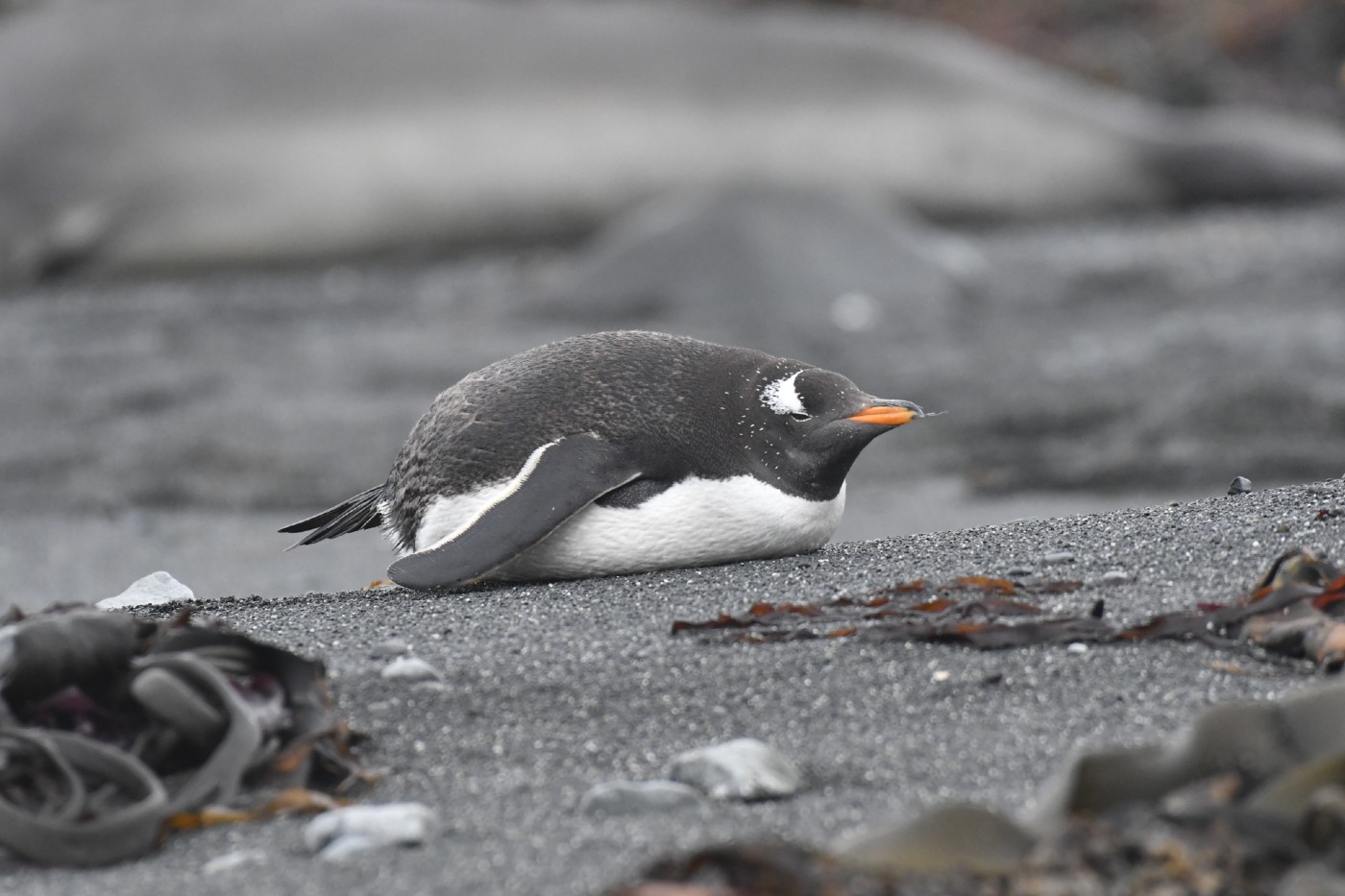
Samples collected during a second expedition tested positive for the virus in multiple species, including Southern elephant seals, Antarctic fur seals, and Gentoo penguins. The finding marks a significant development in the spread of H5 bird flu into one of the world’s most isolated ecosystems.
What has been confirmed so far
Researchers have verified the presence of the virus across both marine mammals and seabirds on the island. However, the full scale of the outbreak remains uncertain.
At this stage:
- The number of infected Gentoo penguins is unknown
- It is unclear whether other bird species have been affected
- No widespread die-offs were observed during fieldwork
- Aerial survey data is still being analysed
Scientists emphasise that the extreme remoteness of Heard Island makes comprehensive population monitoring difficult, meaning early outbreak assessments are inherently incomplete.
No visible mass mortality — yet
Despite confirmed infections, expedition teams did not observe obvious large-scale mortality events among birds or seals while on the island.
This does not rule out serious impacts. Instead, it suggests that any population-level effects may still be emerging or occurring in areas not directly observed during field operations.
Researchers are now relying on aerial survey data and laboratory analysis to better understand how widely the virus has spread across colonies.
Why this matters for Antarctic and Australian wildlife
Experts warn that the discovery represents a major turning point for Australia’s sub-Antarctic ecosystems.
According to BirdLife Australia’s seabird specialists, including Dr Yuna Kim, there is still limited baseline data on many species in the region. This makes it difficult to measure mortality rates or long-term ecological damage from outbreaks like H5 bird flu.
Species potentially at risk include endemic or regionally restricted birds such as:
- Heard Island shag
- Heard Island sheathbill
- Other seabirds breeding in the region
Experience from other Antarctic regions shows that the severity of outbreaks varies widely depending on species, colony density, and local conditions.
A warning sign for the broader region
Heard Island is more than 4,000 kilometres from mainland Australia, but scientists caution that geographic isolation does not guarantee protection.
Migratory and scavenging seabirds, particularly skuas, are considered potential vectors capable of transporting the virus between remote colonies. This raises concern about possible spread to other sub-Antarctic ecosystems, including biologically rich sites such as Macquarie Island.
Because of these movement patterns, researchers say it is only a matter of time before continued monitoring is needed across multiple territories.
A “bleak milestone” for conservation
Conservation experts have described the confirmation of H5 bird flu on Heard Island as a serious milestone.
One of the most significant concerns is that Gentoo penguins on Heard Island are now among the first known birds in Australian territories to test positive for this strain of avian influenza, which has caused major wildlife impacts globally.
Researchers warn that this may not be an isolated event and that additional detections are likely as surveillance expands.
Why monitoring is now critical
Scientists stress that early detection alone is not enough without long-term monitoring systems in place.
Key challenges include:
- Lack of historical population baselines
- Difficulty accessing remote colonies
- Limited frequency of field surveys
- Rapid movement of wildlife across regions
Because of these limitations, experts argue that ongoing surveillance is essential to understand both spread and long-term ecological consequences.
What happens next
Authorities and researchers are now focused on:
- Analysing aerial survey data for colony-level impacts
- Expanding monitoring of seabird populations
- Tracking potential spread via migratory species
- Strengthening biosecurity and reporting systems
Public guidance also encourages reporting unusual sickness or deaths in wild birds, particularly seabirds and waterbirds, as part of broader preparedness efforts.
Bottom line
The detection of H5 bird flu on Heard Island signals that the virus has reached one of the most remote wildlife refuges under Australian jurisdiction. While visible mass die-offs have not yet been confirmed, the presence of infection across multiple species raises serious concerns about how the outbreak may evolve in fragile sub-Antarctic ecosystems.